Responsible Use of AI in Surveying: What the New RICS Standard Means
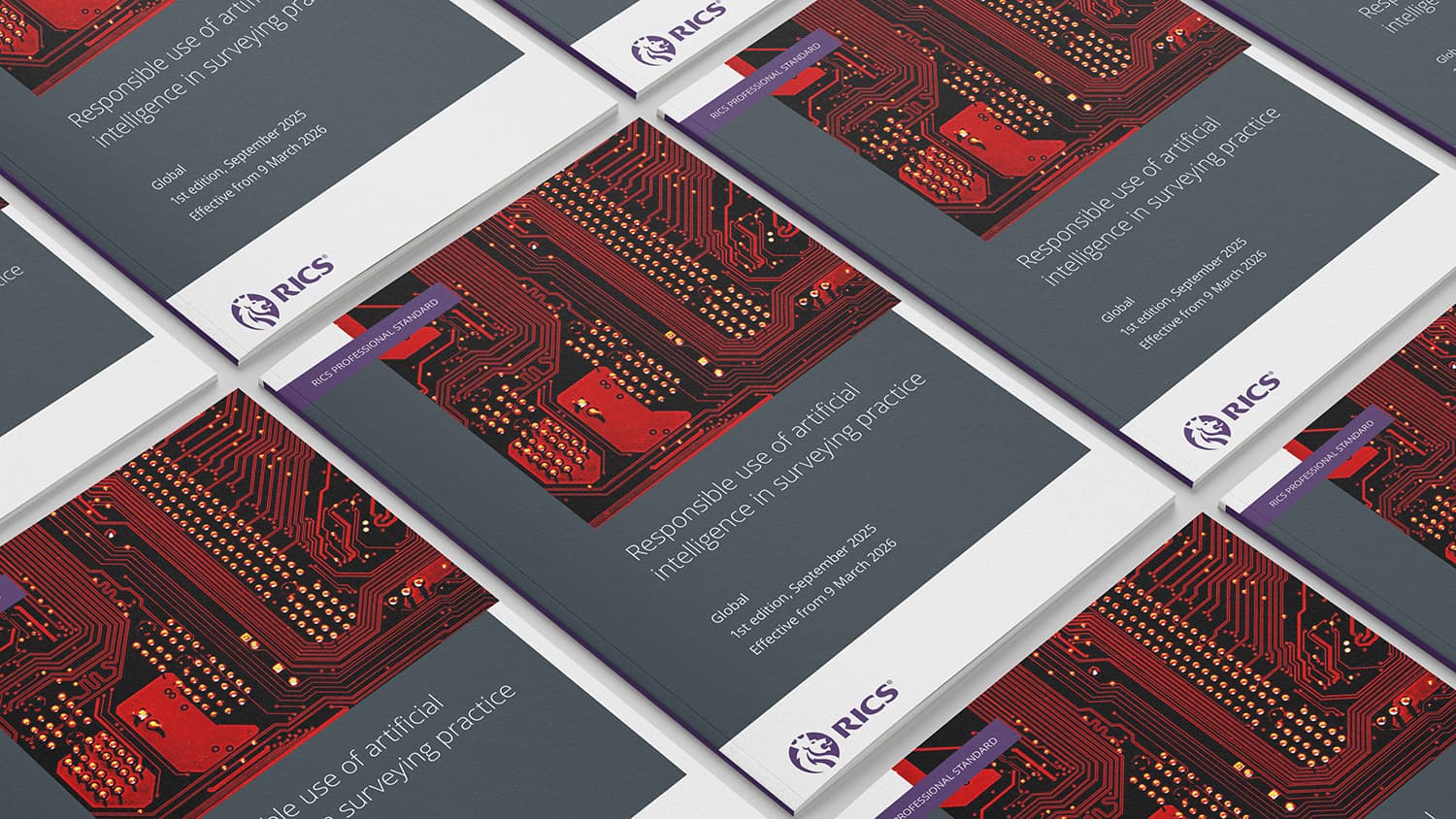
Artificial intelligence is rapidly reshaping the surveying profession, from valuation and construction analysis to document review and risk identification. To ensure this technology is used ethically, transparently and safely, the Royal Institution of Chartered Surveyors (RICS) has published a new global professional standard: Responsible use of artificial intelligence in surveying practice.
Effective from 9 March 2026, this standard sets clear expectations for RICS members and regulated firms worldwide.
In this article, we’re covering what the regulations are, why they matter, and how NavLive is already aligned with these principles.
What Are the RICS AI Regulations?
The RICS professional standard establishes a principles-based framework for how AI systems should be selected, governed and used when they have a material impact on surveying services.
The regulations do not ban or discourage AI. In fact, it explicitly supports innovation but places responsibility firmly with the professional surveyor.
1. Baseline AI Knowledge
Surveyors using AI must maintain a minimum level of understanding, including:
- Different types of AI systems and how they work
- Known limitations and failure modes
- The risk of erroneous or biased outputs
- Data usage, privacy and confidentiality risks
This makes it clear that while AI can support a surveyor’s work, professional judgement and responsibility must always remain with the surveyor.
2. Practice Management and Governance
Construction firms using AI are required to embed governance into day-to-day operations, including:
- Data governance: safeguarding private and confidential data, restricting access, anonymising data where possible, and avoiding uploads to AI systems without explicit consent
- System governance: formally assessing whether AI is the most appropriate tool for a task and keeping a written register of AI systems in use
- Risk management: maintaining a risk register covering bias, data retention, erroneous outputs and legal exposure, reviewed at least quarterly
These requirements help ensure that AI risks are identified early and addressed proactively, rather than dealt with reactively
3. Procurement and Due Diligence
Before adopting an AI system from a third party, firms must carry out and document detailed due diligence. This includes understanding:
- How the system was trained and on what data
- Known risks of bias or data gaps
- Compliance with data protection laws
- Environmental and stakeholder impacts
- Liability arrangements with the supplier
If information is missing, that absence itself must be treated as a documented risk.
4. Use of AI Outputs and Professional Judgement
A core message of the new RICS standard is that surveyors remain accountable for AI-assisted work. Where AI outputs materially affect a service:
- Their reliability must be assessed and documented
- Assumptions and limitations must be recorded
- Outputs must be reviewed by an appropriately qualified surveyor
Even in high-volume or automated scenarios, firms are required to perform regular quality assurance checks using sample-based reviews.
5. Transparency with Clients
Clients must be informed, in advance and in writing, about:
- When and how AI will be used
- Which parts of the service involve AI
- How decisions can be challenged
- Whether clients can opt out of AI use
Firms must also be able to explain, on request, how an AI system works at a high level and how its risks are managed.
Why Are These Regulations Important?
AI brings enormous opportunity to the surveying profession, but also introduces new categories of risk, such as legal, ethical, reputational and commercial.
The RICS standard is important because it:
- Protects clients by ensuring transparency and accountability
- Preserves trust in professional judgement
- Reduces the risk of unchecked bias or flawed automation
- Aligns surveying practice with emerging global AI legislation
- Supports innovation without compromising ethics or competence
Ultimately, the standard reinforces a key principle: AI is a tool, not a decision-maker. The responsibility for outcomes always rests with the professional.
How NavLive Aligns with the RICS Standard
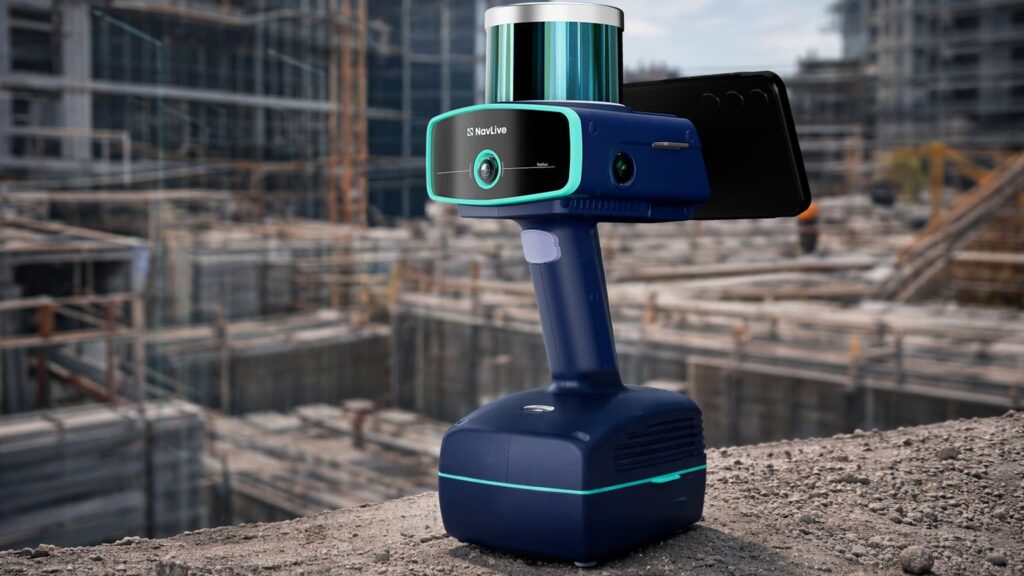
At NavLive, we have been working at the intersection of surveying, spatial data and artificial intelligence from day one. The principles set out by RICS closely reflect how we design and deploy AI-driven solutions.
Our approach is built around:
- Responsible data use: clear controls around data privacy, security and consent
- Human-in-the-loop design: ensuring AI augments expert judgement rather than replacing it
- Transparency: clear communication about how AI is used, what it can and cannot do
- Risk-aware development: active consideration of bias, accuracy and reliability throughout the lifecycle of our systems
We understand the regulatory landscape because we operate within it. As AI standards evolve globally from RICS professional standards to wider AI legislation NavLive is committed to staying ahead, helping surveyors adopt AI confidently, compliantly and responsibly.
What This Means for Surveying Firms
The RICS Responsible use of artificial intelligence in surveying practice standard marks a significant milestone for the profession. It sets a clear baseline for ethical AI adoption while leaving room for innovation and growth.
For surveying firms, now is the time to review AI usage, strengthen governance and ensure readiness ahead of the March 2026 effective date. For technology providers like NavLive, it reinforces the importance of building tools that professionals can trust.
If you’d like to learn more about how NavLive supports responsible AI in surveying workflows, we’d be happy to talk. Book a demo to meet with our team today.